Best Golf Simulator for Small Rooms
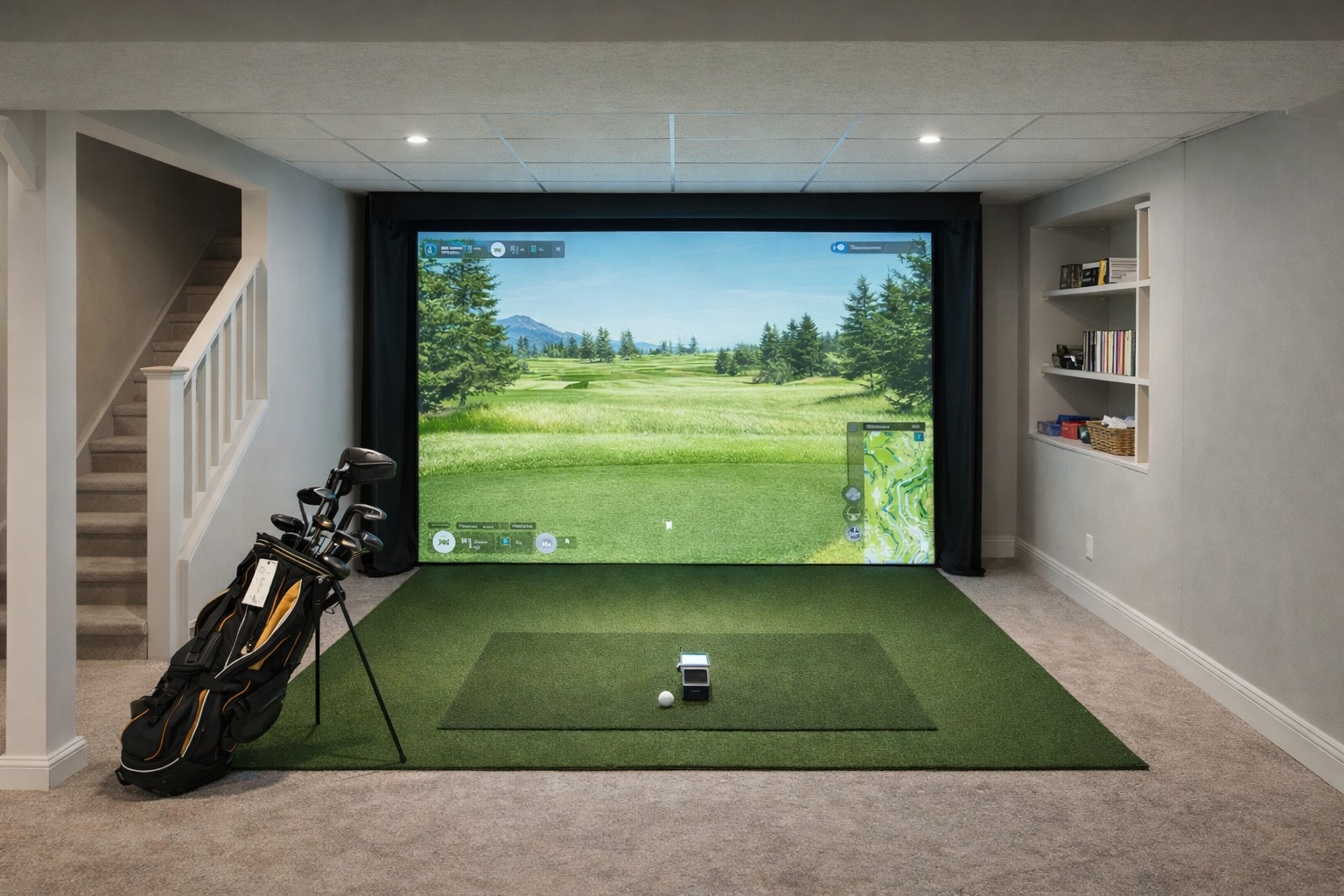
The best golf simulator for a small room is usually the one that stops trying to pretend the space is bigger than it is. Small-room setups go bad when buyers chase the most exciting version of the project instead of the version they will actually enjoy using. The room matters first. Everything else follows.
Short answer
- Best overall approach: keep the setup simple, practical, and easy to live with
- Best launch-monitor direction: lean toward the option that asks less from the room if the space is already borderline
- Best room habit: solve for swing comfort before you buy the expensive parts
What a small room usually needs
A small room usually needs discipline more than creativity. That means fewer oversized assumptions, fewer “we can make it work” decisions, and more honesty about what the room supports comfortably. A good small-room setup often wins because it makes the right compromises early instead of paying for the wrong ones later.
What works best in smaller spaces
- Practice-first or simulator-light setups
- Clean hitting zones with enough room to swing normally
- Monitor choices that do not pile extra room-dependence onto a room that is already tight
- Builds where the buyer accepts that “smaller and better” beats “bigger and forced”
What usually does not
- Buying a projector path before proving the room wants one
- Trying to win every category at once: premium look, premium screen, premium monitor, tight room
- Assuming minimum dimensions will feel the same as comfortable dimensions
The most common small-room mistake
The biggest mistake is overbuilding too early. Buyers see the room as a project they can “solve” with enough spending. Small rooms usually do better when you solve the most important friction first: swing comfort, hitting area, monitor fit, and whether the setup feels easy enough to use repeatedly.
Launch monitor advice for small rooms
Small rooms do not reward false-economy monitor choices. A cheaper monitor is not the smarter buy if it makes the room harder to use. If the space is already narrow or shallow, the safer recommendation is often the one that reduces setup stress instead of squeezing a little extra value out of a room that cannot really support it.
How to know if the space is too small
If you keep describing the room with phrases like “technically,” “probably,” or “if I stand just right,” then the room may already be too compromised for the build you are imagining. That does not mean you cannot build anything. It means the room wants a smaller, more deliberate simulator approach.
Bottom line
The best golf simulator for a small room is the one that feels good enough to use often. Small rooms can absolutely produce strong home setups, but only when the build respects the room instead of trying to overpower it.