Best Golf Simulator for Low Ceilings
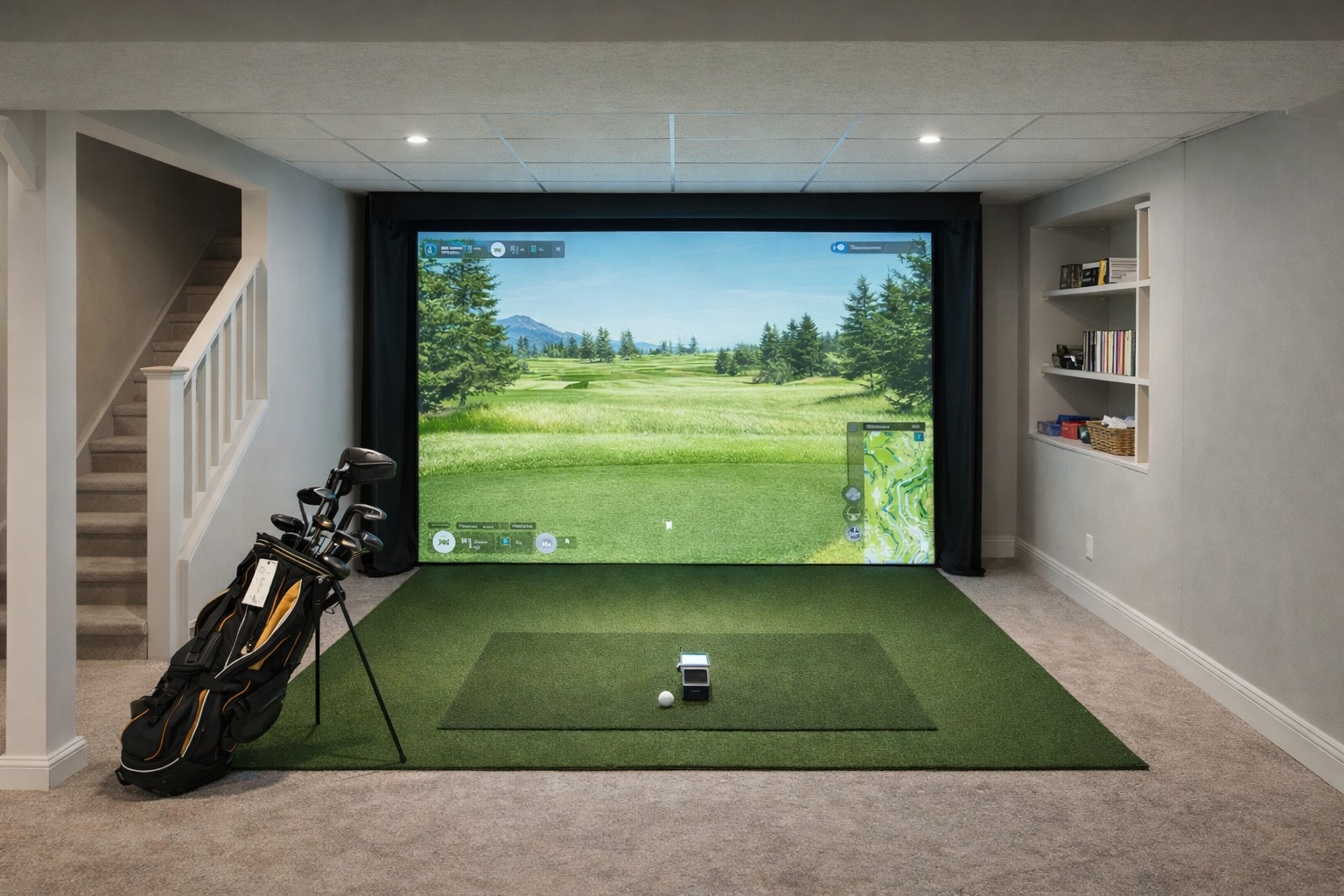
Low ceilings change the whole value equation. The mistake most buyers make is assuming the right launch monitor or enclosure will solve a room that simply does not want full normal swings. It will not.
Related guides worth reading next
The best low-ceiling setup is usually the one that accepts the room early. That means being honest about driver, being realistic about swing confidence, and building something useful instead of burning money trying to make a low room behave like a taller one.
How this site approaches recommendations
IndoorGolfSetup.com is built around room fit, budget realism, and long-term livability rather than just spec-sheet hype. The goal is to help buyers choose a setup that actually fits their space and feels worth owning after the novelty wears off.
Some pages on this site may include affiliate links. That does not change the recommendations: the goal is still to sort products by room fit, budget, and who each option actually makes sense for. Read the full affiliate disclosure.
- Best overall low-ceiling path: practical indoor-first setup with realistic club expectations
- Best for practice-first use: simpler monitor plus net or compact containment
- Best budget route: lower-cost build that avoids premium polish the room cannot justify
- Best if driver is clearly unrealistic: optimize the rest of the setup instead of forcing it
What low ceilings change
- Swing confidence drops even before true physical clearance disappears.
- Driver becomes the first club that stops feeling normal.
- Launch monitor choice matters more because setup simplicity becomes more valuable.
- The whole simulator gets harder to justify if every session feels compromised.
What ceiling height is actually workable
There is a big difference between a room where you can take careful swings and a room where you can swing naturally without thinking about the ceiling every rep. That difference matters more than a lot of buyers want to admit, because “technically possible” is often not the same as “worth building around.”
The smartest low-ceiling setup paths
Practice-first low-ceiling setup
This is often the best answer when full driver use is clearly unrealistic. A clean launch monitor path, solid mat, and simple containment can still make the room very useful without pretending it is a full ideal simulator bay.
Low-ceiling sim compromise path
If you still want simulator play, keep expectations under control and build around the room instead of around the fantasy version of the room. Smaller-space-friendly monitor choices and more conservative enclosure plans usually win here.
Best path when driver is not realistic
Once driver clearly feels forced, the smarter move is usually to accept that and optimize the rest of the setup instead of overspending to fight a bad ceiling.
When low ceilings make a full simulator a bad idea
- The room makes you alter the swing constantly.
- You only feel comfortable with shorter clubs.
- The setup is technically possible but mentally distracting every session.
- You are spending full-simulator money on a room that clearly wants a simpler practice build.
Bottom line
A low-ceiling setup can absolutely still be worth building, but only if you stop pretending every low room should become a full dream simulator. The better answer is usually the setup that stays useful, honest, and easy to live with, even if that means giving up some ambition.
Read the full ceiling-height guide Check the full room-size guide See small-space advice Compare better indoor monitor fits