Best Golf Simulator Enclosures
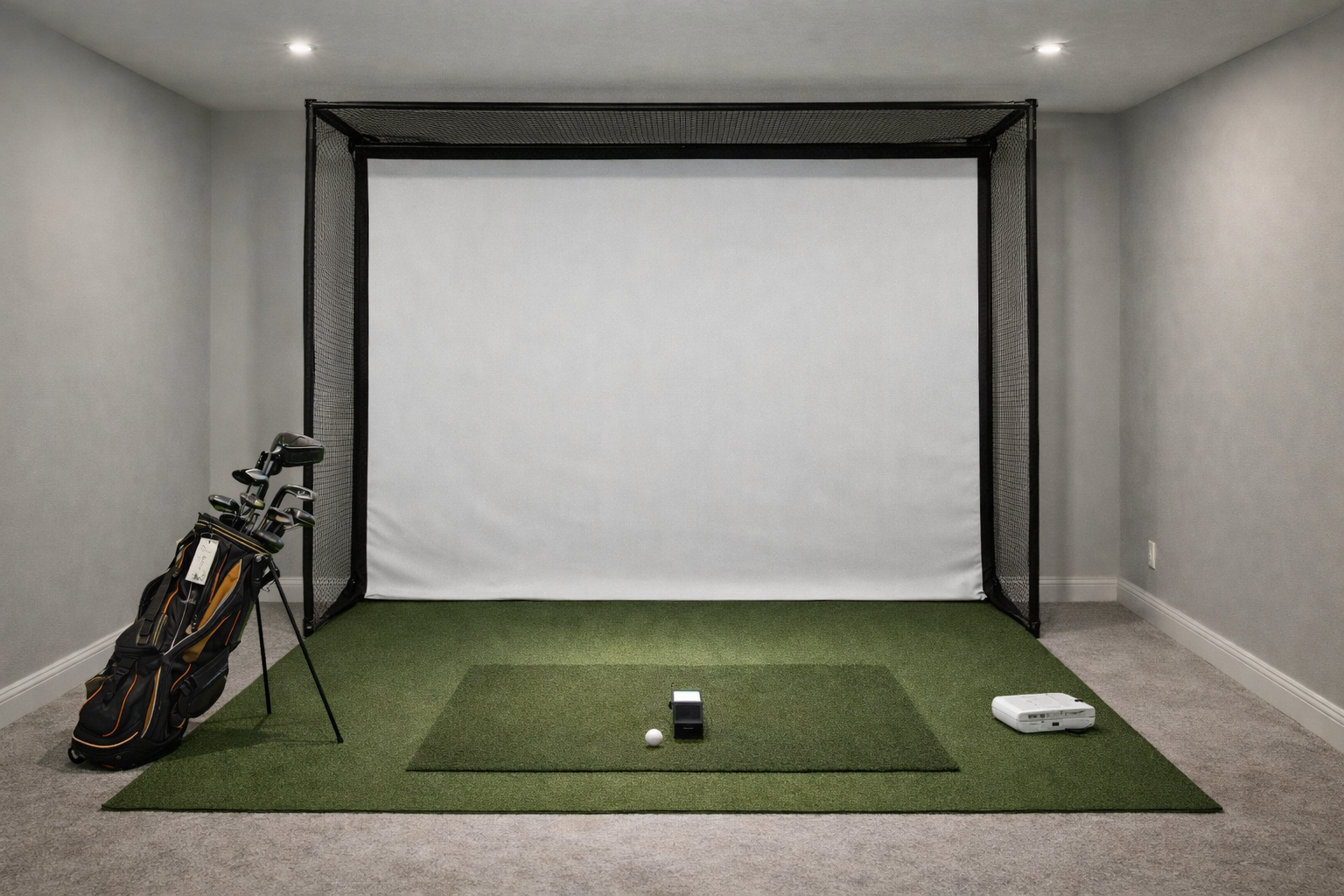
The best enclosure is not automatically the biggest one, the most polished one, or the one that looks best in a product photo. The right enclosure is the one that fits your room cleanly, gives you the ball containment and screen experience you actually need, and does not create more setup pain than the rest of the build can support.
Quick product links
Use these links to check current pricing and compare your options. Start with Amazon if you want fast price comparison, then use the official site when you need model details, software info, or package specifics.
Golf simulator enclosures
Impact screen options
Frame kits
Buyers overspend here all the time. They shop the enclosure like it is the centerpiece of the simulator, when in reality it should follow the room, the mat position, and the projector plan. If those pieces are still loose, start with the room size guide before you buy a frame that dictates the whole room.
How this site approaches recommendations
IndoorGolfSetup.com is built around room fit, budget realism, and long-term livability rather than just spec-sheet hype. The goal is to help buyers choose a setup that actually fits their space and feels worth owning after the novelty wears off.
Some pages on this site may include affiliate links. That does not change the recommendations: the goal is still to sort products by room fit, budget, and who each option actually makes sense for. Read the full affiliate disclosure.
- Best overall enclosure path: room-fit-first enclosure sized around the real hitting area
- Best value route: clean mid-tier enclosure without overbuying size
- Best for garages: practical enclosure that respects width, door clearance, and shared-use reality
- Best premium path: polished enclosure for a strong dedicated room
What an enclosure needs to do well
Contain the ball confidently
If the enclosure does not make the room feel safe and predictable, the rest of the simulator suffers. Ball containment is not glamorous, but it is one of the reasons a setup feels usable instead of half-finished.
Fit the room honestly
Oversizing the enclosure is one of the most common simulator mistakes. A slightly smaller enclosure that fits the room well is usually better than a larger one that forces awkward hitting position, bad projector geometry, or tight side clearance.
Match the rest of the build
Your enclosure choice needs to make sense with your projector, room depth, and how permanent the simulator is supposed to be. If you are still deciding between a staged build and a more finished room, read what you actually need for a home golf simulator first.
Best enclosure paths by buyer type
Best for most home buyers
A mid-tier enclosure sized correctly for the room is usually the smartest buy. This route protects against the two biggest regrets: going too cheap and feeling the room is unfinished, or going too big and realizing the room never wanted that footprint.
Best for garages
Garage buyers should care less about showroom polish and more about width, flexibility, and whether the enclosure works around the realities of the garage. That is why garage-specific setup advice matters before you buy the frame.
Best premium path
A more polished premium enclosure makes sense once the room is already strong and the rest of the simulator is keeping up. It is worth paying for only when the room and budget support the whole build, not just the prettiest piece of it.
What buyers overspend on
- enclosure size they cannot really use well
- aesthetic upgrades before fixing mat comfort or launch-monitor fit
- package polish that does not actually improve day-to-day use
Bottom line
The smartest enclosure is the one that fits the room, supports the projector plan, and keeps the simulator feeling clean without dominating the build budget. If you are still balancing the full-room decision, go next to the main simulator roundup or the projector guide.
See the main simulator paths See garage enclosure fit advice Check room dimensions first Match the projector to the enclosure